A location page is more than just an address on a map. It’s a digital handshake, the first impression your business makes to potential customers searching for your services in a specific area. A well-structured location page does more than provide information; it builds trust, improves visibility in search results, and guides visitors to take action. But what should actually go on a location page from top to bottom? Let’s walk through it step by step, from the top of the page to the bottom.
Above the Fold: Capturing Attention Immediately
Above the fold is the section of your webpage that visitors see first, without needing to scroll. This is prime real estate because people often make snap judgments about whether they want to explore further.
Start with a clear and compelling headline. It should immediately communicate the location and the service you provide. For instance, “Digital Marketing Experts in Philadelphia” instantly tells visitors what they can expect and where you’re located. Avoid vague phrases or industry jargon; clarity is key.
Next, include a concise sub headline that highlights what makes your business stand out in that location. Focus on benefits for the visitor, not just features of your business. For example, “Helping local businesses grow online with measurable results” speaks directly to the audience’s needs.
Visuals also play a significant role above the fold. A high-quality image or video featuring your team, office, or local landmarks can humanize your brand and create a sense of community connection. People want to see real faces and familiar locations—it builds trust before they even read a single word.
Finally, incorporate a prominent call to action. Whether it’s “Schedule a Free Consultation,” “Get Directions,” or “Call Now,” this button should be easy to find and understand. Above the fold is your opportunity to guide users toward meaningful interaction immediately.
Location-Specific Information
Once the first impression is made, visitors will naturally look for specifics about your location. This section should be easy to scan and digest. Start with the basics: address, phone number, email, and hours of operation. Use a simple layout, like bullet points or a table, so users can quickly find what they need.
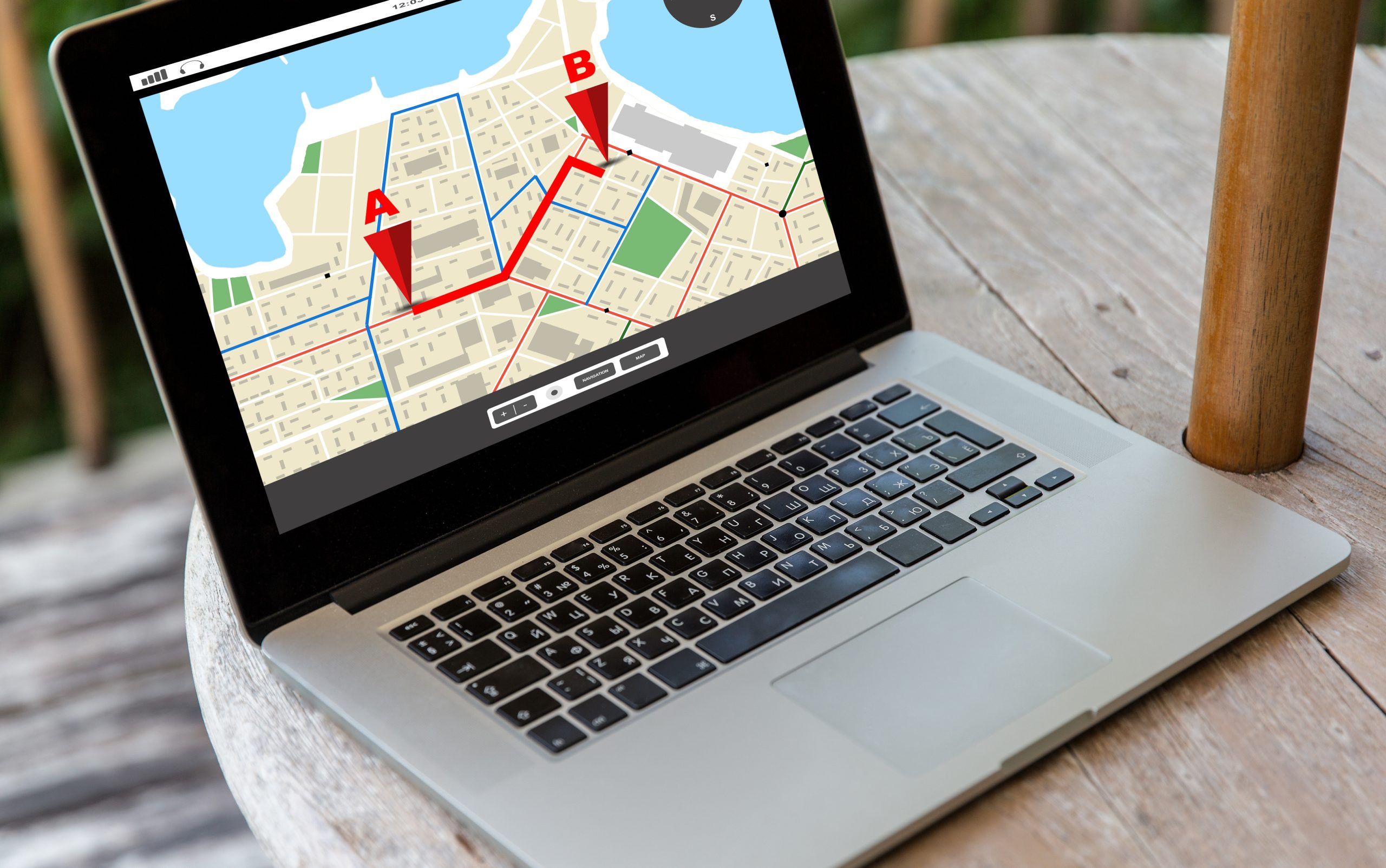
Consider adding an embedded map, either through Google Maps or another mapping service. A map not only shows exactly where you are but also makes it easier for users to plan their visit. Make sure the map is interactive and mobile-friendly, as many users will be viewing your site on a smartphone.
Adding a local landmark or neighborhood description can further help people visualize your location. Mentioning proximity to well-known areas, streets, or public transit options reassures visitors and strengthens your credibility. It signals that you are genuinely part of the community, not just a faceless website.
Services and Expertise
Once the location is clear, visitors want to know what you offer. A brief, scannable overview of your services helps them decide if you can meet their needs. Break your services into categories or short lists, making them easy to read and understand. Avoid overwhelming the reader with too much technical detail; the goal is clarity and relevance.
In addition to standard services, highlight any location-specific offerings that may be available. Your Philadelphia office may focus on small businesses, while your New York office specializes in enterprise clients. Clarifying this can reduce confusion and improve user satisfaction. You want visitors to feel like your services are accessible and practical for their situation.
Testimonials from local clients can amplify credibility. Social proof is most effective when it is relatable, so featuring quotes from customers in the same city or neighborhood adds a personal touch. Seeing that others in their area have had positive experiences makes new visitors more confident in reaching out.
Visual Storytelling and Human Connection
Images and videos throughout the location page reinforce your message and bring the page to life. Include staff photos, behind-the-scenes shots, and even short video introductions from local team members. People connect with faces more than logos, and seeing a friendly team can ease hesitations about contacting your business.
Interactive content, like virtual office tours or service demos, adds another layer of engagement. This can be particularly beneficial for businesses where a physical presence is crucial. It gives the visitor a sense of familiarity before they even set foot in the door.
Local community involvement can also enhance trust. Mentioning sponsorships, partnerships, or events your team participates in shows you care about more than just business. It humanizes your brand and strengthens your bond with the neighborhood.
Frequently Asked Questions
Address common questions related to your location, services, or procedures. FAQs serve two purposes: they provide immediate answers to visitors and improve your SEO by naturally incorporating relevant keywords.
Questions could include parking availability, appointment scheduling, or specific offerings at that location. Keep answers concise and helpful. Think about the questions your team gets asked most frequently—these are likely the ones visitors want answered online.
Local SEO Considerations
A well-crafted location page should also help people find you in search engines. Use the city or neighborhood name naturally in headings, meta descriptions, and throughout the content. Avoid keyword stuffing; instead, focus on integrating local terms in a readable and user-friendly manner.
Structured data markup, such as schema for local businesses, can further improve visibility. This makes it easier for search engines to display your business in rich results, like maps and knowledge panels. Combined with accurate contact information, opening hours, and positive reviews, your page becomes a strong local SEO asset.
Calls to Action Throughout
While a prominent CTA above the fold is important, you don’t want visitors to scroll all the way down without encountering another opportunity to connect. Place additional CTAs after key sections, like services, testimonials, or FAQs. Repeating your CTA in natural locations guides users without feeling pushy.
Vary your CTA language to match the section’s context. For example, a services section might prompt “Learn More About Our Marketing Solutions,” while a testimonial section could include “See How We’ve Helped Local Businesses.” Matching your CTAs to the content increases engagement.
Reviews and Social Proof
Social proof remains one of the most persuasive elements on a location page. Include customer reviews, star ratings, and case studies that showcase positive outcomes. Local reviews are particularly powerful, as potential clients can relate more easily to the experiences of neighbors or fellow businesses.
Incorporating links to Google Reviews, Yelp, or other review platforms encourages visitors to explore further. Positive interactions online reinforce credibility and demonstrate that your business consistently delivers quality service.
Footer: Final Opportunities
The footer is often overlooked, but it’s a place for last-minute conversions and additional information. Include a secondary map, complete contact information, and quick links to key pages, such as your main site, service pages, or blog.
You can also use the footer to highlight your presence on social media. Links to platforms like LinkedIn, Facebook, or Instagram give visitors another way to connect and learn more about your brand. If you have multiple locations, the footer can serve as a mini-directory for easy navigation.
Finally, consider adding a small form for newsletter sign-up, consultation requests, or general inquiries. Some visitors may scroll to the bottom ready to take action, but need a simple, frictionless way to do so.
Making Every Section Count
A strong location page is a combination of clarity, personality, and guidance. From the top of the page to the bottom, every section should serve a purpose: capturing attention, providing essential information, demonstrating credibility, and encouraging engagement. It’s not enough to simply list your address; your page should communicate who you are, why you’re part of the community, and how you can help potential clients.
Working with a team that understands the nuances of local marketing can significantly elevate your location pages. At Results Driven Marketing®, we specialize in creating high-performing, visitor-focused pages that increase leads and enhance your online presence. Our approach combines strategic SEO, compelling copy, and humanized storytelling to make your locations shine in search results and resonate with the people who matter most: your customers.
Every location page can become a powerful tool for business growth. By thoughtfully arranging content from the moment a visitor lands on the page to the footer, you guide them through a seamless journey—from curiosity to confidence to action. With clear headlines, meaningful visuals, localized information, social proof, and multiple calls to action, your page can convert casual browsers into loyal clients.
When you invest in crafting a location page with purpose, you’re not just listing an address—you’re presenting a complete experience that reflects your brand, values, and connection to the community.
At Results Driven Marketing®, our dedication to excellence has been recognized by the Philadelphia Business Journal, showcasing our commitment to helping local businesses succeed. This kind of recognition speaks to our ability to deliver results that clients can trust, not just promises on a page.
Results Driven Marketing® is here to help you make that experience unforgettable. Contact us today, and together, we can transform each location page into a lead-generating asset that drives measurable results and fosters long-term growth.